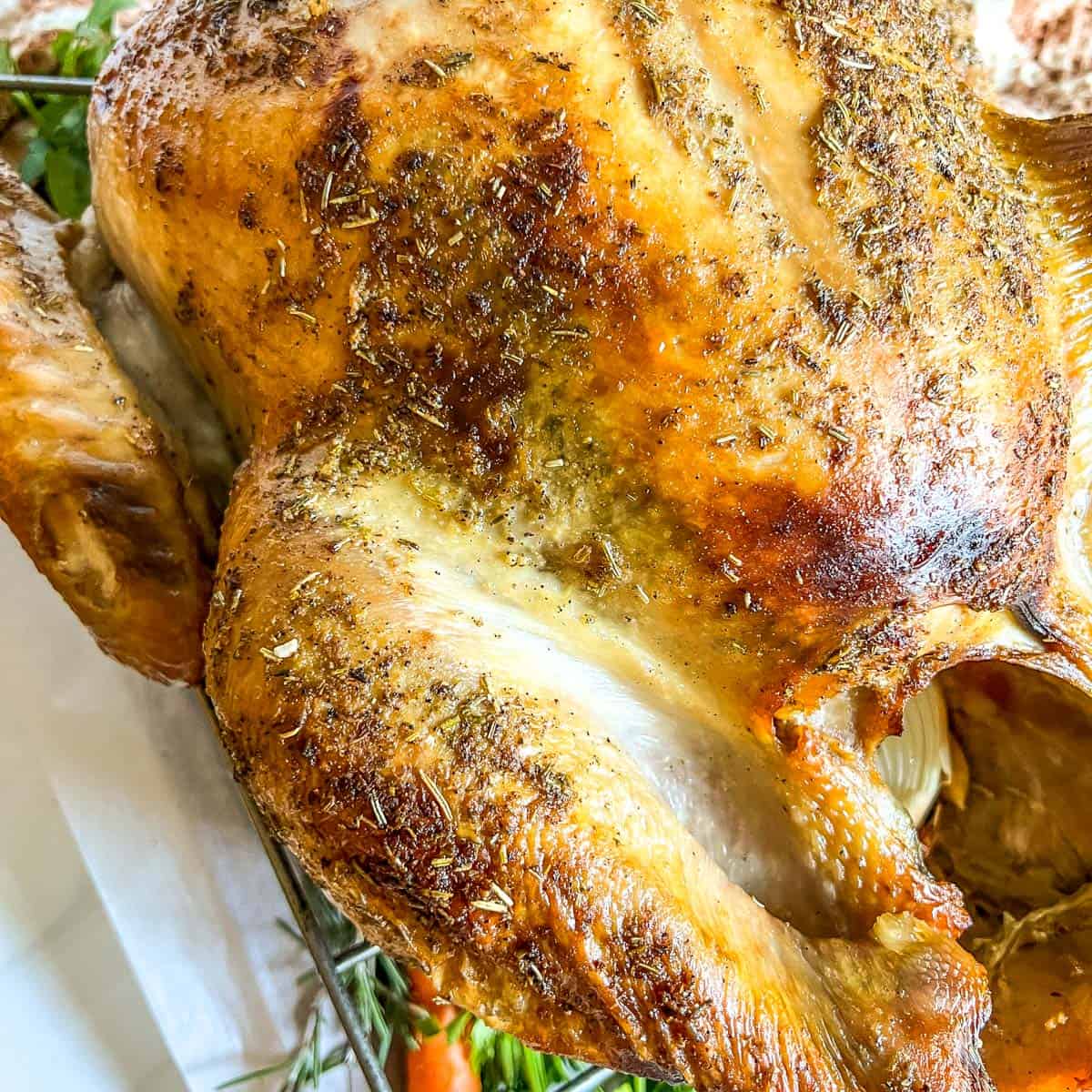
The annual holiday feast often revolves around one magnificent centerpiece: the turkey. Yet, for many home cooks, the dream of a golden-brown, impossibly juicy bird often gives way to the reality of dry, bland meat. The quest for that perfect balance of crispy skin and tender, flavorful flesh can feel like an elusive culinary enigma. But what if we told you the secret to banishing dry turkey forever lies in a simple, aromatic technique? Welcome to the world of herb roasted turkey – a method so reliable and delicious, it promises to transform your holiday table.
No longer will you dread serving slices of an overly done bird. Our comprehensive guide will reveal how a clever combination of fresh herbs, strategic fat application, and precise temperature control can elevate your turkey to a level of flavorful perfection you might only have dreamt of. Get ready to impress your guests with a truly unforgettable Effortless Holiday Centerpiece: Juicy Herb Roasted Turkey Recipe that’s moist from the inside out and bursting with savory goodness.
The Magic of Herb Compound Butter: Flavor from Within
At the heart of an exceptional herb roasted turkey lies a simple yet transformative ingredient: herb compound butter. This isn't just any butter; it's a meticulously crafted blend designed to infuse every fiber of the meat with incredible flavor while simultaneously promoting that coveted golden, crispy skin. Think of it as your secret weapon for culinary success.
What Makes Compound Butter So Powerful?
- Fat-Based Carrier: Butter is primarily fat, making it an excellent medium for carrying and delivering fat-soluble flavor compounds. Essential oils from garlic, lemon zest, and fresh herbs like sage, thyme, and rosemary are efficiently transported deep into the turkey meat, resulting in unparalleled depth of flavor.
- Moisture Retention: Applied both under and over the skin, this rich butter acts as a gentle, internal basting agent. As it melts slowly during roasting, it continually moisturizes the breast meat, preventing it from drying out – a common pitfall with traditional roasting methods.
- Browning and Crispness: The milk solids and fats in the butter, combined with its even application, contribute significantly to the Maillard reaction. This chemical process is responsible for the beautiful golden-brown color and the irresistible crisp texture of the skin.
Crafting Your Aromatic Blend
Creating your herb compound butter is straightforward. Start with softened, unsalted butter. To this, incorporate finely minced fresh garlic, finely chopped fresh herbs (sage, rosemary, thyme are classic choices, but experiment with marjoram or parsley!), a touch of lemon zest for brightness, and a good pinch of salt and freshly ground black pepper. Mix everything thoroughly until well combined. The beauty of this butter is that it can be made days in advance, allowing the flavors to meld beautifully. For more detailed instructions on perfecting your butter, check out our guide on Master Herb Butter Turkey: Juicy & Crispy Skin.
Mastering Moisture: Brining, Drying, and Resting for Juiciness
Beyond the incredible flavor of the herb butter, achieving a truly juicy herb roasted turkey hinges on mastering moisture management at every stage of the cooking process. Overlooking these crucial steps is often why turkeys end up dry and unappealing.
The Brining Advantage: A Game Changer
While optional, brining your turkey beforehand is a highly recommended step that guarantees a remarkably moist and flavorful result. A good brine, typically a solution of salt, sugar, and various aromatics, works through osmosis to draw moisture and flavor deep into the turkey's cells. This not only enhances juiciness but also seasons the meat from within, setting the stage for an extraordinary roasted bird. Many home cooks swear by brining as the single most effective way to prevent dry turkey, especially the often-overcooked breast meat.
The Crucial Dry Surface
Once brined (and thoroughly rinsed), or if you choose not to brine, ensuring the turkey's skin is bone-dry before applying your herb butter is absolutely paramount. Why? A dry surface allows the butter to adhere evenly, melt slowly, and create a crispier, more beautifully browned skin. Pat the turkey vigorously with paper towels, both inside and out. For best results, you can even let the turkey air dry uncovered in the refrigerator for several hours or overnight after patting it dry. This extra step removes surface moisture, almost guaranteeing that crackling, golden skin.
The Power of Steam and Resting
As your turkey roasts, adding a bed of aromatic vegetables (like onions, carrots, and celery) and a cup or two of chicken or vegetable stock to the bottom of the roasting pan serves multiple purposes. Not only do these ingredients catch delicious drippings for an incredible gravy, but the gentle steam they release helps to keep the air around the turkey moist, contributing to a juicier outcome.
Finally, and perhaps most importantly, do NOT skip the resting period. Once your turkey reaches its target internal temperature (165°F in the thickest part of the thigh, without touching the bone), remove it from the oven, tent it loosely with foil, and let it rest for at least 20-30 minutes (up to an hour for larger birds). This allows the muscle fibers to relax and reabsorb the juices that have been pushed to the center of the bird during cooking. Carving too soon will result in those precious juices running all over your cutting board, leaving you with less moist meat.
The Science of Searing and Slow Roasting: Achieving Golden Perfection
The perfect herb roasted turkey isn't just about ingredients; it's also about intelligent heat management. A two-stage roasting approach ensures you get the best of both worlds: beautifully browned, crispy skin and uniformly cooked, tender meat.
Initial Searing for Skin Perfection
Starting your turkey at a higher oven temperature, typically 375°F (190°C), for the first 30-60 minutes is key to achieving that desirable golden-brown, crispy skin. The intense initial heat kick-starts the browning process, developing rich flavors and textures on the surface. This high heat helps to render the fat in the skin, making it wonderfully crisp, while the herb compound butter melts and seeps into the meat, beginning its flavor infusion.
Lowering the Heat for Even Cooking
After the initial browning period, reduce the oven temperature to a moderate 325°F (160°C). This lower temperature allows the turkey to cook more gently and evenly through to the center, especially the thick breast meat, without drying out. Roasting at a consistent, moderate heat ensures that the internal temperature rises gradually, resulting in tender, moist meat throughout the entire bird. Resist the urge to constantly open the oven door, as this causes significant temperature fluctuations and prolongs cooking time.
Monitor with Precision: The Role of a Thermometer
For truly foolproof results, an accurate meat thermometer is your best friend. Insert it into the thickest part of the thigh, making sure it doesn't touch the bone. The turkey is perfectly cooked when it reaches an internal temperature of 165°F (74°C). This ensures food safety while preventing overcooking. Trust the thermometer, not just the clock!
Beyond the Bird: Aromatics, Gravy, and Presentation
While the turkey itself is the star, the supporting cast of aromatics, a rich gravy, and elegant presentation elevate the entire meal experience.
Aromatics in the Cavity
Don't let the turkey cavity go to waste! Stuffing it with aromatic elements like halved onions, quartered lemons, garlic cloves, and extra sprigs of fresh herbs (like sage, rosemary, and thyme) will further infuse the meat with subtle flavors from the inside out. These aromatics also contribute to the steam in the oven, keeping the interior moist.
The Gold Standard: Pan Drippings for Gravy
One of the greatest rewards of roasting a herb roasted turkey is the incredible pan drippings it produces. The savory juices, rendered fat, and bits of browned herbs from the bottom of the pan are the foundation for the most flavorful homemade gravy imaginable. Deglaze the pan with a splash of wine or stock, thicken with a roux, and strain for a silky-smooth gravy that perfectly complements every slice of turkey. It's a culinary sin to let these precious drippings go to waste!
Showcasing Your Culinary Triumph
Once rested and carved, present your magnificent turkey with pride. Arrange the carved slices on a warm platter, perhaps garnished with fresh herb sprigs and bright lemon or orange wedges for a stunning visual appeal. Before carving, displaying the whole, golden-brown bird at the table can create a truly show-stopping moment, setting the stage for a memorable holiday meal that feels both effortless and extraordinarily impressive.
Conclusion: Your Juiciest Turkey Awaits!
Say goodbye to dry, uninspired turkey and hello to a new era of succulent, flavorful perfection. By embracing the power of herb compound butter, mastering moisture control through brining and resting, and utilizing a strategic two-stage roasting method, you can consistently achieve an incredible herb roasted turkey that will be the undisputed highlight of any holiday gathering. This isn't just a recipe; it's a reliable, uncomplicated pathway to a show-stopping centerpiece that promises juicy meat, crispy golden skin, and an aroma that will fill your home with holiday cheer. So, roll up your sleeves, gather your fresh herbs, and prepare to create the most talked-about turkey your family has ever tasted!
